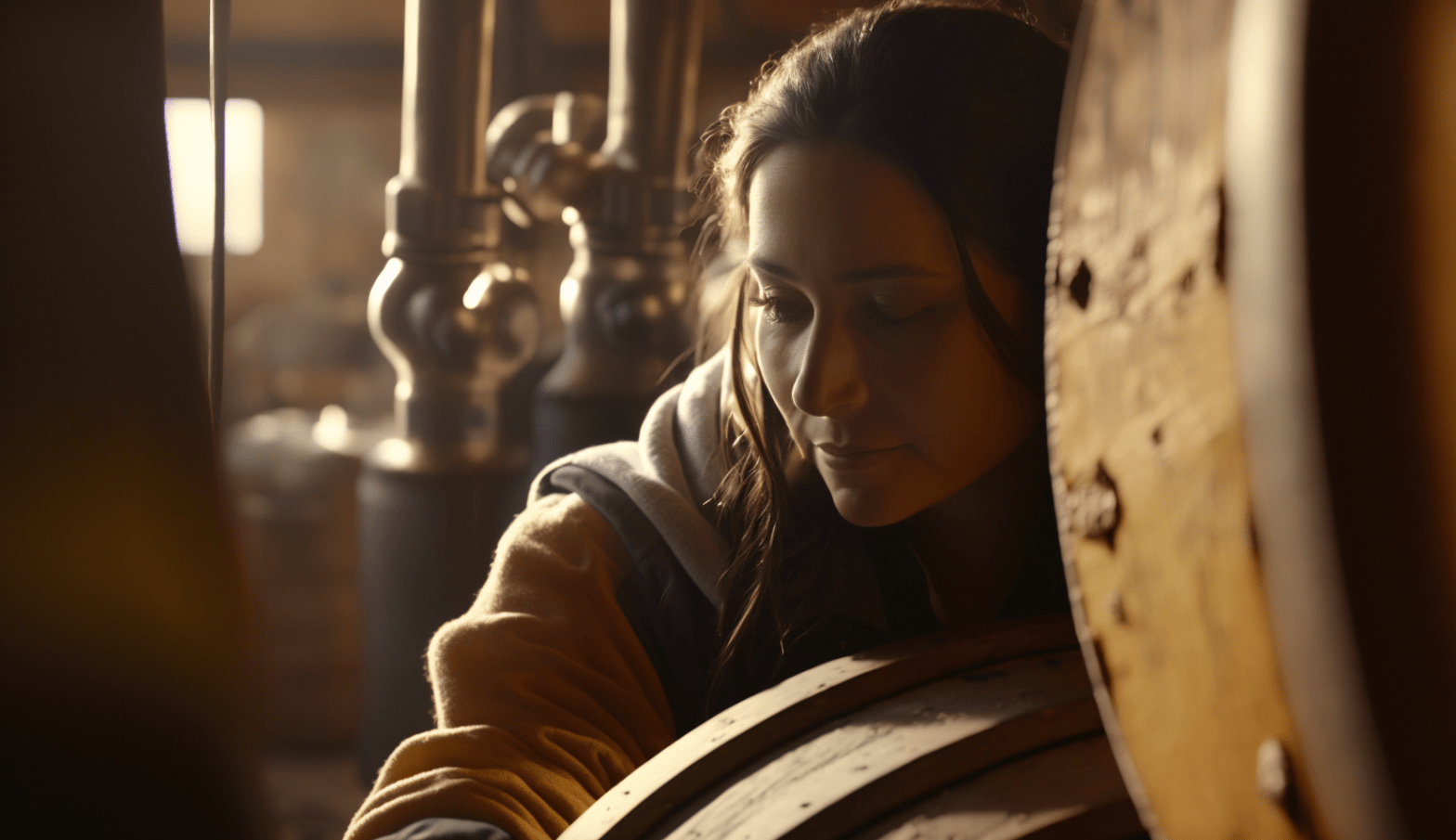
Wild yeasts (or brettanomyces) are becoming increasingly popular in microbreweries in Quebec and across the country. When we think of wild yeasts, we immediately imagine a beer aged in a barrel with « funky » aromas. They are often unknown, yet they are responsible for the first fermented drinks! Modern beer yeast is the result of decades of experience in selecting certain properties, eliminating others, and achieving more consistent results.
In North America, craft breweries are increasingly experimenting with wild yeasts in their quest to emulate historical farmhouses, using barrel-aged beer or a second fermentation using open-air methods. This trend indicates that wild yeast is back in vogue, but what does that mean for home brewers?
Brettanomyces: What You Shoul Know
The most well-known species of wild yeast belong to the genus Brettanomyces. Its name means « British fungus. » In 1904, N. Hjelte Claussen of the New Carlsberg Brewery in Copenhagen discovered that strong English-style beers underwent a second fermentation caused by this yeast. Brettanomyces are also associated with the Dekkera genus. Without going into the details of its genetics, let us simply remember that it is the same yeast.
What sets Brettanomyces apart from Saccharomyces cerevisiae, the traditional beer yeast? First and foremost, they can digest sugars. The presence of certain enzymes (alpha-glucosidase) allows Brettanomyces to break down more complex sugars than traditional yeast. This means that Brettanomyces can digest very complex sugars that traditional yeast cannot. Thanks to their voracity, beers fermented with wild yeasts can reach a final gravity close to 1.000, or even below. In contrast, the final gravity of a beer fermented with traditional yeast rarely drops below 1.005.

When it comes to taste, the range of flavors can be very diverse depending on the species of Brettanomyces that are chosen. Even within the same species, there can be a lot of variation. Just like humans, yeasts evolve by mixing their genetic material. However, over time, humans have put enough pressure on Saccharomyces cerevisiae to make it lose the ability to mix its genetic material with other species.
As a result, Saccharomyces cerevisiae does not lose its desirable properties nor acquire new ones as it multiplies. In general, Brettanomyces claussenii give fruity aromas reminiscent of pineapple while Brettanomyces lambicus give more « funky » aromas (barnyard, hay, leather, etc.). Take the time to read the description of the yeast you want to use to avoid any unpleasant surprises!
Barreled Beer and Brettanomyces
When beer is aged in wooden barrels, especially those that have been previously used for wine, whiskey, or other spirits, it introduces a dynamic environment where Brettanomyces yeast can interact with the wood. This interaction is multifaceted and contributes significantly to the development of complex flavors and aromas in the beer.

- Microbial Activity: Wooden barrels, particularly those with residual wine or spirit components, can harbor a variety of microorganisms, including Brettanomyces yeast. When beer is introduced into the barrel, the Brettanomyces yeast can colonize the porous wood surfaces and thrive in the presence of oxygen and nutrients.
- Biochemical Processes: As the beer ages in the wooden barrel, the Brettanomyces yeast metabolizes sugars, residual compounds, and wood-derived compounds present in the barrel. This metabolic activity leads to the formation of secondary metabolites, including volatile organic compounds (VOCs) and esters, which contribute to the unique flavor and aroma profile of the beer.
- Wood-derived Compounds: Wooden barrels impart various compounds to the beer, including tannins, lignins, and vanillin, which are extracted from the wood during aging. These compounds interact with the beer and influence its sensory characteristics, such as mouthfeel, bitterness, and perceived sweetness.
- Oxygen Permeability: Wooden barrels allow for controlled oxygen ingress, which can promote oxidative reactions in the beer. The presence of oxygen can enhance the development of desirable oxidative flavors and aromas, such as sherry-like notes, while also providing an environment conducive to Brettanomyces metabolism.
- Aging Conditions: The conditions within the wooden barrel, including temperature, humidity, and microbial ecology, play a crucial role in shaping the beer’s final flavor profile. Brettanomyces yeast thrives in moderately acidic and alcoholic environments, making wooden barrels an ideal vessel for its activity.
Brettanomyces’ Potential Benefits
In addition to their enzymatic capabilities and diverse flavor profiles, Brettanomyces offers home brewers an intriguing avenue for exploration in terms of fermentation dynamics and aging potential. Unlike Saccharomyces cerevisiae, which typically undergoes a straightforward fermentation process, Brettanomyces imparts a degree of unpredictability and complexity to beer production.
One aspect that distinguishes Brettanomyces fermentation is its propensity for extended aging periods. While traditional yeast strains often yield optimal results within a few weeks, Brettanomyces-driven fermentations benefit from prolonged maturation, sometimes spanning several months or even years. During this time, the yeast continues to metabolize sugars and produce flavor compounds, gradually evolving the beer’s sensory profile and imparting nuanced layers of character.
Furthermore, the interaction between Brettanomyces and other microorganisms, such as bacteria and other yeast strains, in mixed fermentation environments can yield extraordinary results. Through symbiotic relationships or competitive interactions, these microorganisms contribute to the overall complexity and balance of the final product, leading to a harmonious interplay of flavors and aromas.
For home brewers eager to experiment with Brettanomyces, it’s essential to exercise patience and diligence throughout the fermentation and aging process. Maintaining stable environmental conditions, such as temperature and oxygen levels, is crucial to supporting healthy yeast activity and preventing off-flavors or undesirable outcomes.
Moreover, meticulous sanitation practices are paramount, particularly in mixed fermentation scenarios where the risk of contamination is heightened. By employing rigorous cleaning and sanitization protocols for equipment and fermentation vessels, brewers can mitigate the risk of unintended microbial influences and preserve the integrity of their beer.
Ultimately, embracing the wild and unpredictable nature of Brettanomyces fermentation opens doors to endless possibilities in beer crafting. Whether pursuing traditional styles like Belgian lambics or experimenting with innovative flavor combinations, home brewers can harness the untamed beauty of wild yeast to create truly distinctive and memorable brews. Through experimentation, observation, and a willingness to embrace the unexpected, the journey with Brettanomyces unfolds as a captivating exploration of the art and science of brewing.
Jocelyn Bernier-Lachance is an experienced homebrewer with over ten years of experience. He is also a trained microbiologist who has worked for companies such as Lallemand, Gallicus Craft Brewery, and La Chope à Malt/Beer Grains.

For more advice, consult our friends at BeerGrains in Gatineau.
Read More About Brettanomyces
- Tonsmeire, M., American Sour Beer: Innovative Techniques for Mixed Fermentations, Brewers publications
- White, C. and Zainasheff, J., Yeast: The Practical Guide to Beer Fermentation, Brewers publications
- What is Brettanomyces and What is it Doing to my Beer? Vine Pair
- Brewing with Brettanomyces, MoreBeer
- All About Brett, Brew Your Own
- All About Brettanomyces, the Mad Fermentationnist
Laisser un commentaire